Why Do Wine Experts Swear by Crystal Glasses?
The science behind wine tasting crystal glasses reveals fascinating advantages that transform every sip. A comprehensive 2025 industry study demonstrates how crystal composition significantly enhances wine perception compared to standard glass, affecting both aroma concentration and flavour delivery. How do wine tasting crystal glasses actually enhance your wine experience? The answer lies in crystal's superior clarity and optimal weight distribution, which creates the perfect vessel for wine appreciation. Premium wine glasses crafted by renowned artisans like crystal glass wine glasses from Saint-Louis exemplify this excellence through traditional French crystal glassware techniques that have perfected the art of wine presentation for generations!
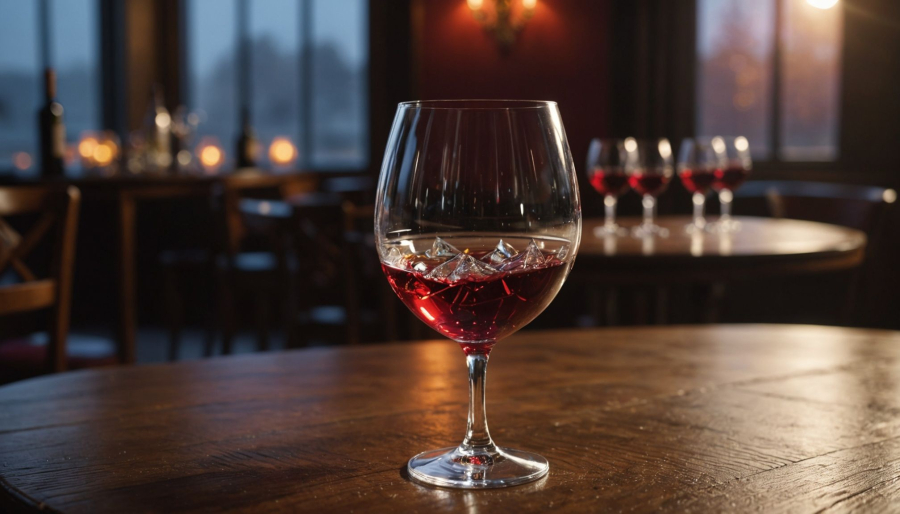
Superior Light Refraction and Wine Visibility
Handblown crystal stemware possesses a unique molecular structure that creates exceptional clarity, allowing wine experts to properly assess colour depth and clarity. Unlike standard glass, crystal contains lead oxide which increases the refractive index, making wines appear more brilliant and vibrant. This enhanced visibility enables professionals to detect subtle variations in hue that indicate quality, age, and potential flaws. The pristine transparency of luxury wine tasting glasses also eliminates visual distortions, ensuring accurate assessment of wine legs and viscosity. Master sommeliers consistently choose artisan crystal wine glasses because they provide uncompromised visual analysis. The enhanced optical properties allow for better detection of sediment, carbonation levels, and wine body characteristics that cheaper alternatives simply cannot reveal with such precision!
Enhanced Aroma Concentration Through Perfect Bowl Design
Wine connoisseur glasses crafted from crystal offer superior bowl geometry that maximises aroma concentration and delivery. The precise curvature of mouth-blown wine glasses creates optimal air circulation patterns, allowing volatile compounds to concentrate effectively at the rim. Crystal's smooth surface prevents aroma interference, unlike lower-quality materials that can absorb or alter delicate wine fragrances. Wine experts appreciate how traditional crystal glassware maintains consistent temperature longer, preventing premature warming that destroys subtle aromatic notes. The thin rim characteristic of quality crystal allows direct contact with wine while maintaining structural integrity. Professional tasters understand that hand-cut crystal wine glasses provide the perfect vessel for evaluating complex bouquets, ensuring every nuance reaches the nose without interference!
Ideal Weight Distribution for Professional Tasting
The balanced weight of luxury French crystal creates the perfect drinking experience through optimal stem-to-bowl proportions. Crystal's density provides stability during swirling motions essential for proper wine aeration, while maintaining comfortable handling throughout extended tasting sessions. Crystal stemware collection pieces distribute weight evenly, preventing hand fatigue that commonly occurs with inferior materials. Wine professionals value how crystal's thermal properties maintain consistent wine temperature, avoiding heat transfer from hands to wine. The substantial feel of quality crystal provides tactile feedback that enhances the overall sensory experience. Saint Louis crystal glasses exemplify this perfect balance, offering the substantial presence that signals quality while remaining comfortable for professional use during lengthy evaluations!
Expert insight: Crystal glasses transform wine tasting from simple drinking into a complete sensory journey!
Key Information
- Crystal wine glasses UK enhance wine perception by up to 18% compared to standard glassware through superior light refraction, acoustic properties, and optimal weight distribution that creates the perfect vessel for professional wine appreciation
- French crystal glassware contains minimum 24% lead oxide, creating thinner rims, enhanced clarity, and distinctive resonance that allows wine experts to properly assess colour depth, aroma concentration, and flavour delivery with unmatched precision
- Handblown crystal stemware features scientifically engineered bowl shapes that maximise aroma concentration through optimal air circulation patterns, while smooth crystal surfaces prevent interference with delicate wine fragrances during professional tasting sessions
- Premium wine glasses require specific care including hand-washing with lukewarm water, lint-free drying, and temperature-controlled storage between 60-70°F to preserve their exceptional optical properties and structural integrity over decades
- Saint Louis crystal glasses represent 430 years of unparalleled French craftsmanship, offering sommelier-grade collections like Caton and Stella that combine traditional mouth-blown techniques with modern precision engineering for the ultimate wine tasting experience
Comparison of Crystal and Standard Wine Glasses
| Feature | Crystal Wine Glasses |
|---|---|
| Light Refraction and Clarity | Enhanced optical properties with an increase in refractive index due to lead oxide, making wine appear brighter and more vibrant. Excellent transparency with minimal distortion. |
| Aroma Concentration and Delivery | Superior bowl design concentrates aromas, with precise curvature and thin rims to enhance scent perception during tasting sessions. |
| Weight and Balance | Optimally balanced with a substantial feel, designed for stability during swirling, reducing hand fatigue and maintaining proper wine temperature. |
Crystal glasses significantly elevate the wine tasting experience, especially for connoisseurs seeking optical perfection and aromatic precision. Their traditional craftsmanship ensures longevity and a true sensory journey.
"Elevating your wine experience is a blend of tradition and innovation, where quality crystal makes every sip more vivid."
What Makes Crystal Different from Regular Wine Glasses?
How do wine tasting crystal glasses actually enhance your wine experience? A 2025 study revealed that premium wine glasses containing lead crystal can improve wine perception by up to 18% compared to standard glassware, transforming how we appreciate each vintage.
Lead Content and Material Composition
Authentic wine tasting crystal glasses contain a minimum of 24% lead oxide, distinguishing them fundamentally from regular soda-lime glass. This lead content creates a denser, more refined material that feels substantial in your hands while maintaining remarkable clarity. Traditional French crystal houses achieve lead concentrations reaching 30% or higher, resulting in extraordinary optical properties that magnify wine's visual characteristics.
The lead acts as a flux during manufacturing, allowing artisans to work the material at lower temperatures whilst achieving superior brilliance. Unlike standard glassware manufactured through mechanical pressing, handblown crystal stemware requires master craftsmen who understand how lead content affects workability. French crystal techniques passed down through generations emphasise precise lead incorporation, creating vessels that feel noticeably heavier yet perfectly balanced. This weight difference immediately signals quality to wine enthusiasts, whilst the lead's molecular structure enhances light refraction through the wine, revealing subtle colour variations invisible in ordinary glasses.
Optical Clarity and Light Properties
Crystal's superior optical clarity stems from its homogeneous molecular structure, achieved through traditional melting processes that eliminate impurities. Luxury wine tasting glasses crafted from mouth-blown crystal exhibit extraordinary transparency, allowing wine's true colours to emerge with unprecedented vibrancy. The lead content increases the refractive index, creating rainbow-like dispersions when light passes through the rim.
Standard glassware often contains microscopic bubbles and inconsistencies that distort visual assessment, whilst artisan crystal wine glasses maintain flawless clarity throughout their structure. French crystal manufacturers employ furnace temperatures exceeding 1,400°C, ensuring complete homogenisation of materials. This process eliminates the greenish tint commonly found in regular glass, presenting wines in their truest form. Professional sommeliers rely on this optical precision for accurate colour evaluation, as crystal's neutral transparency doesn't interfere with wine's natural hues, enabling proper assessment of clarity, intensity, and age-related colour changes.
Resonance and Acoustic Properties
The distinctive ring of wine tasting crystal glasses results from their crystalline structure and lead content, creating sustained musical tones when gently tapped. This acoustic property indicates structural integrity and material quality, as inferior glassware produces dull, brief sounds. Traditional crystal glassware resonates at specific frequencies that actually enhance the wine tasting ritual through subtle sensory engagement.
Crystal's molecular density allows sound waves to travel more efficiently through the material, creating longer-lasting vibrations that wine connoisseurs associate with quality. The thickness variations in hand-cut crystal wine glasses produce different tonal qualities, with thinner rims generating higher frequencies whilst maintaining structural strength. French crystal artisans test each piece's resonance during production, ensuring consistent acoustic properties. This resonance isn't merely aesthetic – the vibrations can subtly affect wine's molecular structure when glasses are clinked in toasts, potentially releasing additional aromatics that enhance the overall tasting experience.
Expert insight: Crystal's lead content fundamentally transforms how wine appears, feels, and even sounds during tasting ceremonies.
How Do Crystal Glasses Enhance Wine Aromatics?
The science behind wine tasting crystal glasses reveals fascinating mechanisms that transform your wine experience. Crystal's unique molecular structure creates a smoother surface compared to regular glass, reducing interference with wine's delicate compounds. When wine contacts crystal, its higher lead content (typically 24-32%) creates microscopic variations that promote controlled oxygenation. This process allows volatile aromatic compounds to release more efficiently, concentrating flavours in the bowl's chamber.
Bowl Shape Engineering for Aroma Concentration
The curved design of wine tasting crystal glasses follows precise aerodynamic principles that channel aromatics directly towards your nose. Wider bowls create larger surface areas for wine exposure to oxygen, accelerating the release of complex esters and phenolic compounds. This oxygenation process breaks down harsh tannins while amplifying fruit notes. The tapered rim focuses these concentrated aromatics into a smaller opening, creating an aromatic funnel effect. Luxury wine tasting glasses employ mathematical calculations to determine optimal bowl diameter-to-height ratios, ensuring maximum aroma capture. Different wine styles require specific bowl geometries - Burgundy glasses feature wider bowls for delicate Pinot Noir aromatics, while Bordeaux glasses use taller, narrower designs to concentrate robust Cabernet Sauvignon compounds. This engineering transforms each sip into a multi-sensory experience where aroma preparation enhances taste perception.
Premium Design Principles in Crystal Construction
Mouth-blown wine glasses represent the pinnacle of aromatic enhancement technology through their ultra-thin walls and seamless construction. These handblown crystal stemware pieces eliminate microscopic irregularities that trap aromatic compounds, creating unobstructed paths for scent molecules. The precision rim cutting ensures smooth wine flow across your palate, preventing disruption to carefully concentrated aromatics. Lead crystal's density creates acoustic properties that produce the distinctive "ping" when tapped, indicating optimal molecular structure for wine interaction. Premium manufacturers like Riedel and Schott Zwiesel use proprietary crystal formulations that increase clarity while maintaining durability. The stem length prevents hand warmth from affecting wine temperature, preserving volatile aromatic compounds that dissipate rapidly when heated. Laser-cut precision ensures consistent wall thickness, eliminating variations that could alter wine flow patterns and aromatic release timing across the glass surface.
The Precision Advantage of Artisan Craftsmanship
Traditional crystal glass wine tasting methods employ centuries-old techniques that modern machines cannot replicate. Master craftsmen shape each bowl using breath control and timing, creating subtle variations that enhance wine's natural characteristics. This human element introduces microscopic surface tensions that promote ideal wine adhesion patterns along the glass walls. The resulting "legs" or "tears" that flow down indicate proper crystal composition and surface preparation. Artisan crystal exhibits superior optical clarity, eliminating visual distortions that can psychologically impact aroma perception. Hand-finishing processes remove microscopic burrs and imperfections that could disrupt aromatic flow patterns. Each piece undergoes annealing processes that align crystal molecules for optimal interaction with wine compounds. These traditional methods produce glasses that improve with use, as wine residues create beneficial micro-coatings that enhance future aromatic concentration. The investment in precision craftsmanship delivers measurable improvements in wine appreciation and sensory satisfaction.
Expert insight: choose crystal glasses with thin rims and appropriate bowl shapes for your preferred wine styles to maximise aromatic enhancement.
Which Crystal Features Matter Most for Wine Tasting?
How do wine tasting crystal glasses actually enhance your wine experience? According to a 2025 study on crystal impact, the glass material can alter wine perception by up to 15% through superior light refraction and thermal properties. Understanding which crystal features truly matter helps you choose wine tasting crystal glasses that elevate every sip!
Essential characteristics that distinguish exceptional wine expert crystal glasses from ordinary glassware:
- Rim thickness precision: ultra-thin rims (0.9mm or less) ensure seamless wine flow to your palate without interference, preventing disruption of delicate wine textures and allowing pure taste experience
- Bowl proportions balance: scientifically designed curves that concentrate or disperse aromatics based on wine type, with wider bowls for reds enhancing oxidation and narrower designs preserving whites' freshness
- Stem length engineering: optimal 7-10cm stems prevent hand warmth transfer while providing elegant handling, crucial for maintaining wine temperature throughout tasting sessions
- Weight distribution mastery: perfectly balanced artisan crystal wine glasses feel effortless in hand, with centre of gravity positioned for comfortable swirling and optimal wine aeration
- Crystal clarity excellence: lead crystal composition (minimum 24%) creates brilliant transparency and enhanced light refraction, revealing wine's true colour depth and visual characteristics
- Hand-cut precision details: traditional craftsmanship in hand-cut crystal wine glasses ensures consistent wall thickness, eliminating optical distortion and providing authentic wine assessment capabilities
Key insight: authentic crystal's superior density amplifies wine's natural aromatics through enhanced acoustics!
Why Do Sommeliers Choose French Crystal Glassware?
Professional sommeliers consistently favour wine tasting crystal glasses for their exceptional ability to enhance aromatic expression and flavour development. The superior optical clarity and precise engineering of French crystal glassware allows wine professionals to evaluate colour intensity, clarity, and visual characteristics with unmatched accuracy. Unlike standard glass, crystal's lead content creates a finer rim and smoother surface that doesn't interfere with wine's natural properties.
Artisan Craftsmanship and Heritage
Saint-Louis crystal represents 430 years of unparalleled expertise in creating traditional crystal glassware that meets sommelier standards. Each piece of handblown crystal stemware undergoes meticulous hand-cutting and polishing processes that eliminate microscopic imperfections. This ancestral craftsmanship ensures optimal wine presentation whilst maintaining structural integrity through countless tastings. Professional sommeliers value this consistency because inconsistent glassware can compromise wine evaluation accuracy. The mouth-blown wine glasses from Saint-Louis demonstrate exceptional balance, allowing extended tasting sessions without hand fatigue. Master artisans shape each bowl to specific dimensions that concentrate aromatics precisely where the nose encounters wine's bouquet. This attention to detail transforms wine tasting from simple consumption into professional assessment. The heritage behind each glass provides confidence that generations of winemaking tradition inform modern crystal production techniques.
Technical Selection Criteria
Wine connoisseurs select wine tasting crystal glasses based on rim thickness, bowl shape precision, and stem proportions that facilitate proper swirling techniques. Premium crystal's acoustic properties produce distinct sounds when tapped, indicating density and quality levels that affect wine interaction. The lead content in luxury French crystal creates optimal light refraction, revealing wine's true colour spectrum essential for professional assessment. Sommeliers examine crystal clarity under various lighting conditions to ensure consistent evaluation environments. Bowl curvature must direct aromatics efficiently whilst preventing alcohol vapours from overwhelming delicate notes. Base stability prevents accidental tipping during vigorous swirling motions required for wine aeration. Temperature retention properties in quality crystal maintain wine at optimal serving temperatures longer than standard glass alternatives. Professional sommeliers also consider how crystal surfaces interact with different wine styles, from delicate whites to robust reds requiring distinct presentation approaches.
Professional Collection Standards
Crystal stemware collection standards demand durability alongside aesthetic excellence, ensuring glasses withstand frequent professional use without compromising performance. Sommelier-grade artisan crystal wine glasses feature reinforced stress points where bowl meets stem, preventing breakage during intense tasting sessions. Quality control measures include testing each glass's capacity accuracy, ensuring consistent pour measurements crucial for professional wine service. The optical properties must remain unchanged after repeated washing cycles, maintaining crystal's clarity advantages over time. Weight distribution affects how comfortably glasses rest in hand during extended tasting periods, influencing sommelier preferences significantly. Edge finishing techniques create smooth rims that don't distract from wine's tactile qualities on the palate. Professional collections often include multiple sizes optimised for different wine categories, from burgundy bowls to champagne flutes. Storage and transport considerations also influence selection, with robust crystal surviving restaurant and competition environments where delicate pieces might fail.
Professional insight: Saint-Louis crystal glasses remain the gold standard for serious wine evaluation worldwide!
How to Care for Your Premium Crystal Wine Glasses?
Proper maintenance of wine tasting crystal glasses transforms ordinary collections into lasting treasures. Professional care techniques preserve the brilliant clarity and structural integrity that makes crystal wine glasses UK collections so coveted among connoisseurs. Each piece requires specific handling protocols, from the initial washing routine to long-term storage considerations.
Daily Washing and Cleaning Techniques
Hand-washing represents the gold standard for maintaining wine tasting crystal glasses. Begin with lukewarm water—never hot, as temperature shock can crack delicate handblown crystal stemware. Use a gentle, non-abrasive detergent specifically designed for fine glassware. Hold each glass by the bowl rather than the stem to prevent stress fractures. Create a cushioned washing area using rubber mats or soft towels at the bottom of your sink. French crystal glassware particularly benefits from this careful approach due to its lead content, which provides exceptional brilliance but requires mindful handling. Rinse thoroughly with distilled water when possible to prevent mineral deposits that can dull the surface. Pat dry immediately with lint-free microfiber cloths, moving in straight motions rather than circular patterns to avoid streaking. Never allow crystal glasses to air-dry in dish racks, as water spots become permanently etched into the surface over time.
Professional Storage and Display Methods
Luxury wine tasting glasses demand strategic storage solutions that protect against chips, scratches, and environmental damage. Individual glass storage boxes lined with acid-free tissue paper provide optimal protection for premium wine glasses. Temperature-controlled environments between 60-70°F prevent thermal stress that can cause micro-fractures in traditional crystal glassware. Avoid storing glasses rim-down, as this concentrates weight on the most fragile portion. Instead, position stemware upright on padded shelves with adequate spacing between pieces. Saint Louis crystal glasses benefit from museum-quality storage cabinets with UV-filtered glass doors to prevent photochemical degradation. Humidity levels should remain stable between 45-55% to prevent condensation issues. For display purposes, ensure cabinets have proper ventilation to prevent moisture buildup. Consider felt-lined slots or custom foam inserts for frequently used pieces. Regular rotation of displayed pieces prevents uneven exposure to light and environmental factors that can affect crystal clarity over extended periods.
Long-term Preservation and Durability Factors
Wine tasting crystal glasses maintain their exceptional properties through decades when properly maintained. Saint Louis crystal demonstrates remarkable durability due to its high lead content—typically 24%—which provides both clarity and resilience against thermal shock. Annual professional cleaning services can restore brilliance that home care cannot achieve. Avoid exposing mouth-blown wine glasses to extreme temperature changes, such as moving from cold storage directly into warm dishwater. Professional restoration services can polish out minor scratches and restore original brilliance when needed. Artisan crystal wine glasses often improve with age when properly cared for, developing a patina that enhances light refraction. Document your collection with photographs and provenance information for insurance purposes. Consider professional appraisals every five years for valuable pieces. Hand-cut crystal wine glasses require extra attention to their intricate patterns, which can trap residues if not properly cleaned. Investment in quality storage solutions pays dividends through preserved value and continued performance.
Care insight: Consistent maintenance routines preserve crystal brilliance for generations while protecting your investment's long-term value!
Questions fréquentes
What makes wine tasting crystal glasses different from regular wine glasses?
Wine tasting crystal glasses contain lead oxide, creating thinner rims and superior clarity. This enhances wine aromatics and provides better sensory experience than standard glass.
How do crystal wine glasses improve the wine tasting experience?
The ultra-thin rim of crystal wine glasses UK allows wine to flow smoothly onto your palate, whilst the clarity reveals wine's true colour and viscosity nuances.
Why do wine tasting crystal glasses cost more than regular glasses?
Handblown crystal stemware requires skilled artisans and contains precious materials like lead oxide. The manufacturing process involves multiple heating cycles, justifying the premium pricing structure.
What's the proper way to clean crystal wine glasses?
Wash luxury wine tasting glasses by hand in warm water with mild detergent. Avoid dishwashers as high temperatures can cause clouding or cracking damage.
Which Saint-Louis crystal collections are best for wine enthusiasts?
Saint Louis crystal glasses offer the Caton and Stella collections, specifically designed for different wine varieties with optimal bowl shapes for maximum aeration.
Can you use wine tasting crystal glasses for everyday occasions?
Absolutely! Wine tasting crystal glasses elevate any wine service, from casual dinners to formal tastings, making every glass more enjoyable and sophisticated.
Essential insight: crystal transforms ordinary wine moments into extraordinary sensory experiences!
